Explainer6 min read
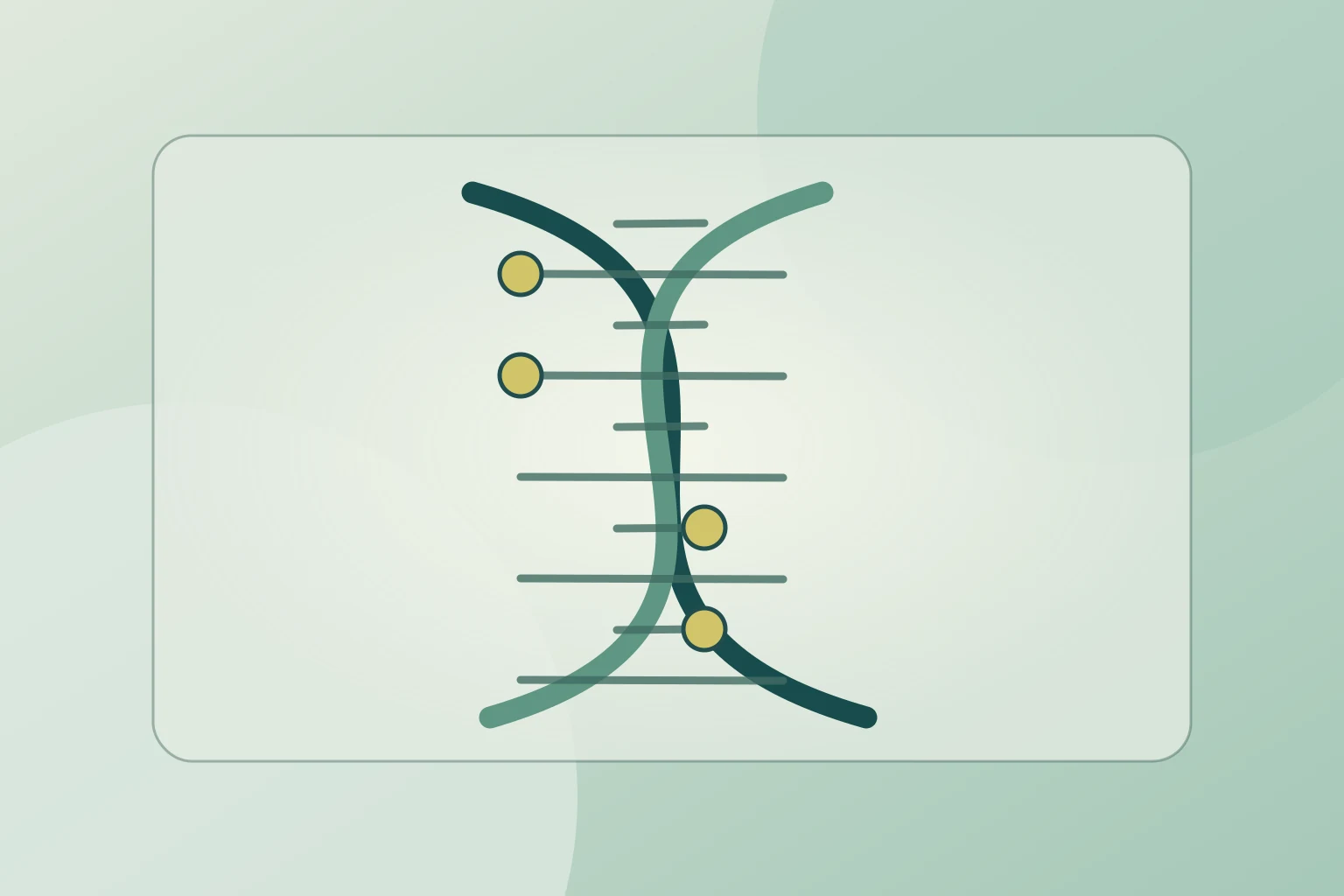
DNA methylation clocks predict age or health-related outcomes from CpG methylation. Their meaning depends on the training data, the tissue sampled and the study design.
Read article ↗Explainer6 min read
Proteomic ageing clocks predict age or health-related outcomes from proteins measured in blood. Their readings can change during disease treatment, making interpretation particularly important.
Read article ↗Explainer7 min read
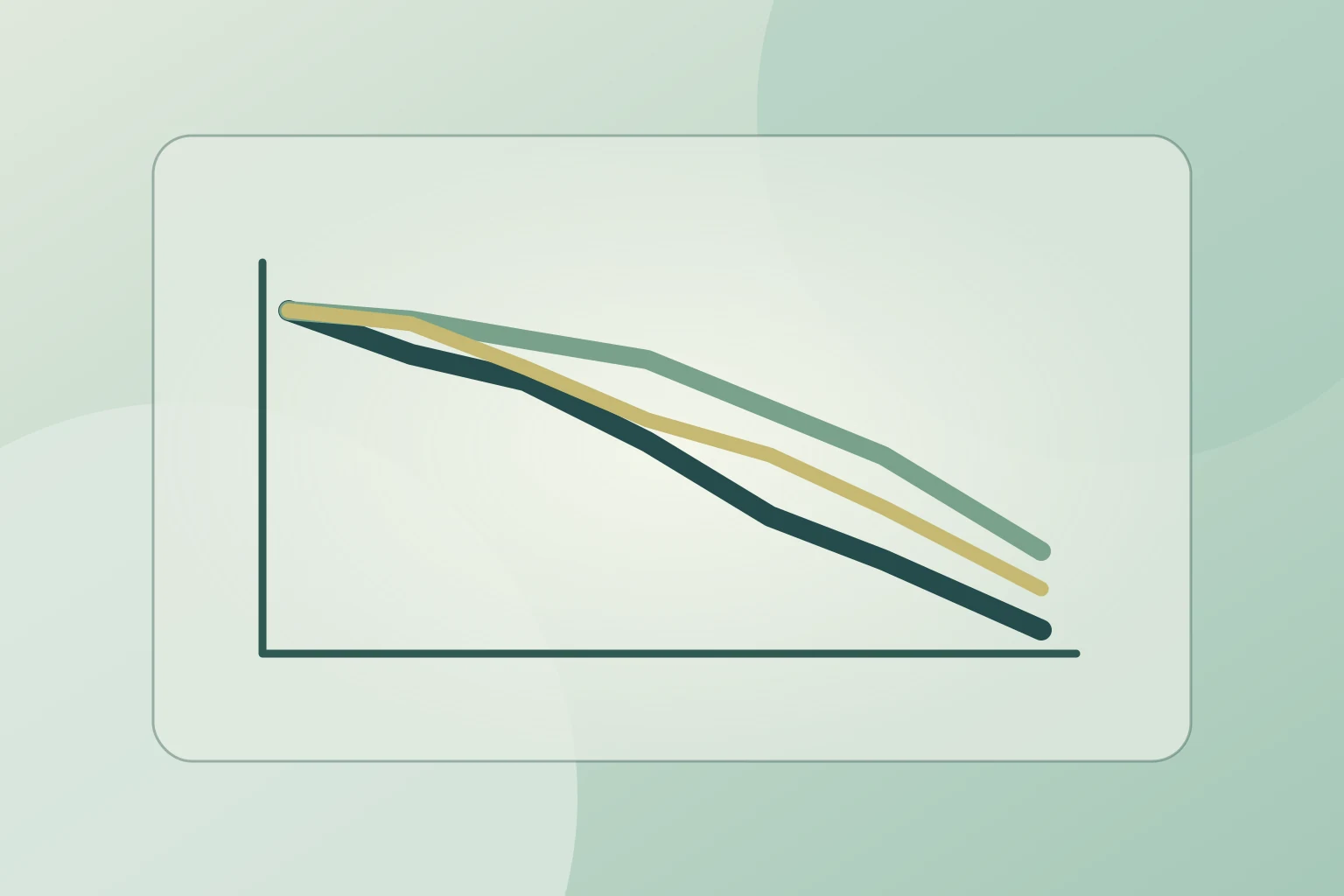
Mouse, dog and killifish studies can compare biological-age measurements with later survival. The evidence is strongest for prediction; the value of treatment-induced clock changes is less certain.
Read article ↗Explainer4 min read
An ageing clock converts biological measurements into a prediction. Its training target determines what that prediction means. A lower reading after an intervention still needs to be tested against lasting health outcomes.
Read article ↗Explainer4 min read
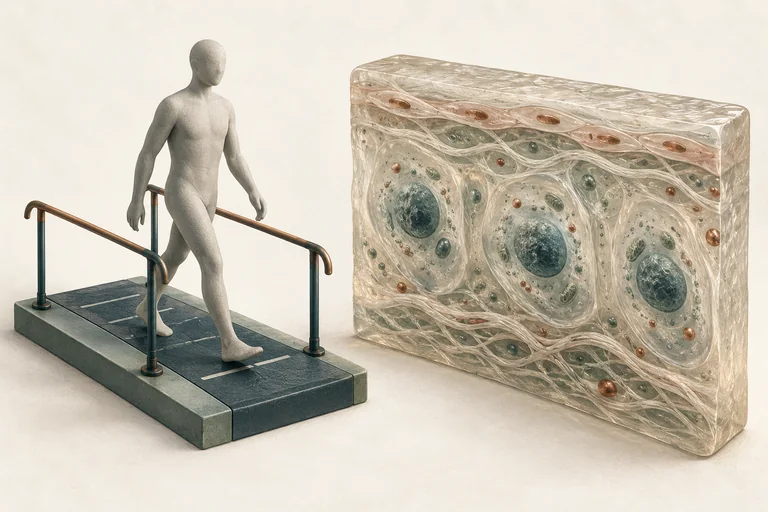
A claim about human rejuvenation needs a defined change, a credible comparison and enough observation to establish benefit and harm. Tissue markers, functional outcomes and longer follow-up answer different questions.
Read article ↗