
What AI does in drug discovery
AI can help researchers choose a target, search chemical space and design molecules. Those are different tasks, with different tests of success.
Read articleVirtual cells, protein design, automated laboratories and the experiments behind cell repair.
15 articles
AI can help researchers choose a target, search chemical space and design molecules. Those are different tasks, with different tests of success.
Read article
Reprogramming factors change how cells use their genes. Researchers are testing whether a controlled period of expression can restore selected functions while preserving cell identity.
Read article
An ageing clock converts biological measurements into a prediction. Its training target determines what that prediction means. A lower reading after an intervention still needs to be tested against lasting health outcomes.
Read article
AI can search for molecules quickly. Clinical studies still need time to measure exposure, effects and harms. Time saved in discovery is only part of a development programme.
Read article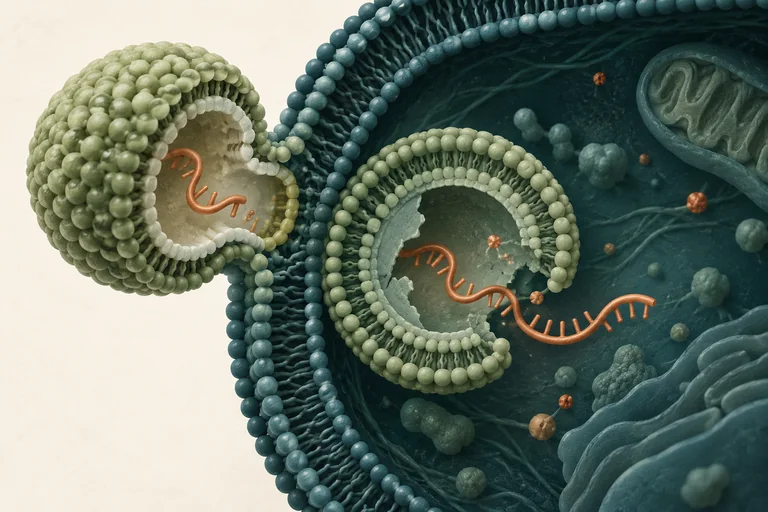
A delivery system must reach the intended cells and control exposure. Lipid nanoparticles, viral vectors and local administration solve different parts of that problem.
Read article
A claim about human rejuvenation needs a defined change, a credible comparison and enough observation to establish benefit and harm. Tissue markers, functional outcomes and longer follow-up answer different questions.
Read article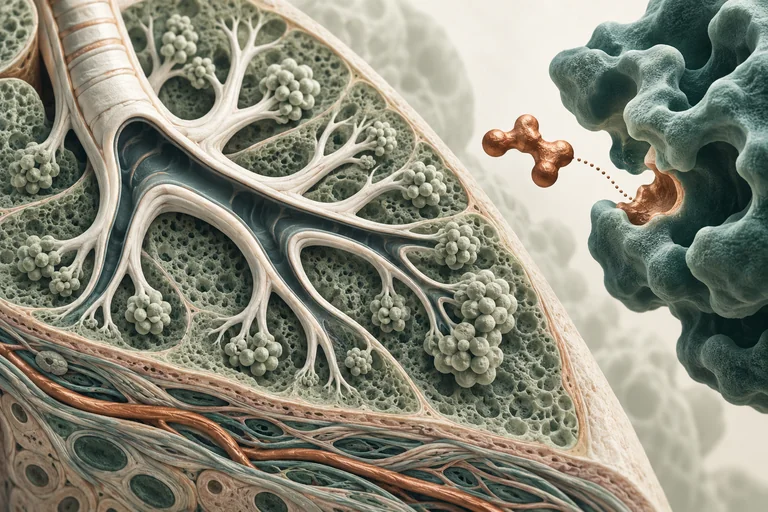
Rentosertib is being tested for idiopathic pulmonary fibrosis after AI-assisted drug discovery. An exploratory ageing-clock analysis examines changes in participants’ blood proteins.
Read article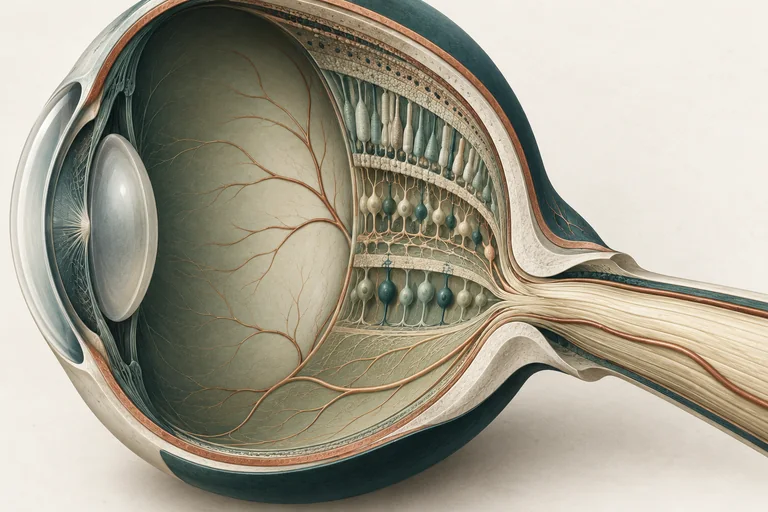
ER-100 tests controlled expression of reprogramming factors in an early human study of optic neuropathies. The study assesses safety and vision; an interim presentation is scheduled for 8 October 2026.
Read article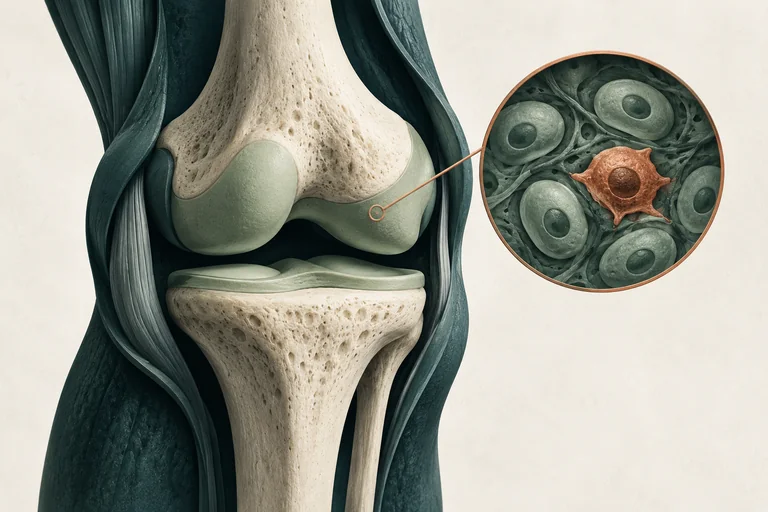
UBX0101 failed its prespecified pain endpoint in a 183-participant knee osteoarthritis trial. Development stopped. The result does not establish why the treatment failed.
Read article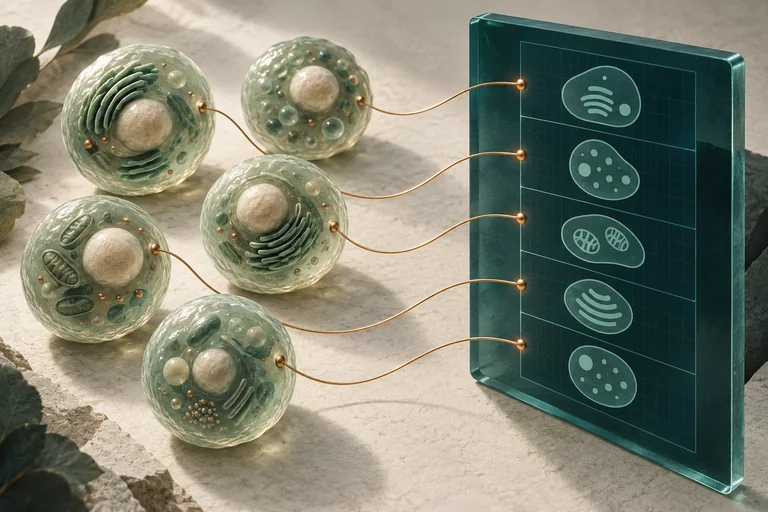
A virtual-cell model predicts a measurement after researchers change a cell. Its usefulness depends on which experiment it can predict, which examples it has already seen and whether the prediction survives a new biological context.
Read article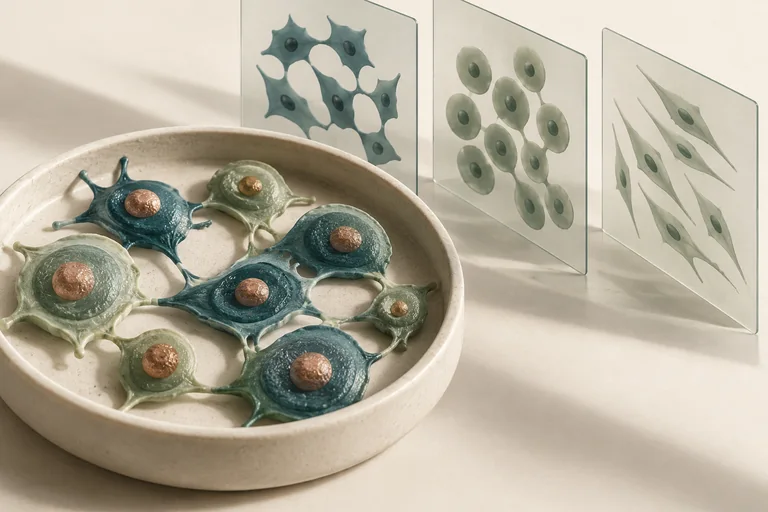
A 2025 benchmark found that tested deep-learning models failed to beat simple predictions. An October 2026 study shows that scoring choices can conceal useful performance. Their comparison turns on the task, the controls and what a metric rewards.
Read article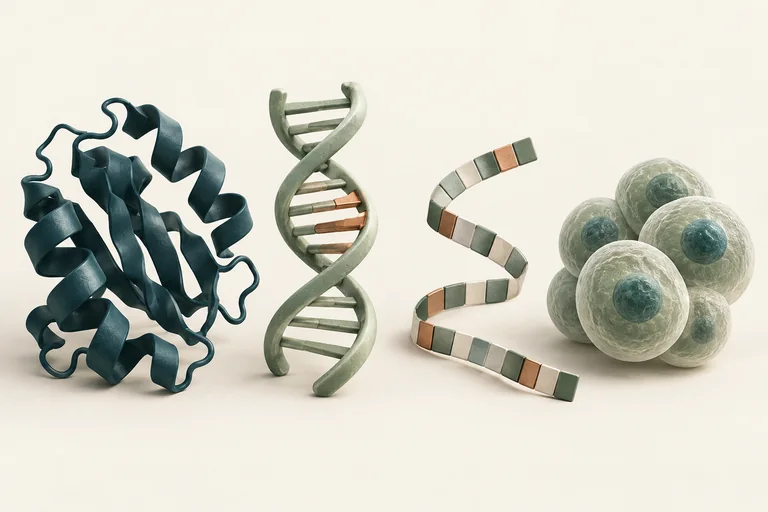
AlphaFold predicts molecular structures, AlphaGenome predicts regulatory measurements from DNA, Evo 2 models genomic sequences and State predicts cellular responses. Each needs a different experimental test.
Read article
BindCraft and RFdiffusion3 have produced proteins that pass physical tests. Interpreting each result requires the number tested, the assay and the biological task. Binding, catalysis and targeted delivery require different evidence.
Read article
An automated laboratory becomes a learning system when measured results determine the next experiments. Cell-free protein synthesis and enzyme engineering show what these systems have achieved, how people contributed and which comparisons remain missing.
Read article
Zimislecel and UP421 test cell replacement in type 1 diabetes. Zimislecel has produced insulin independence in a small study with immunosuppression. UP421 tests whether edited donor cells can survive without it.
Read articleNo articles match these filters.