Cellular reprogramming

Changing gene expression and cell state while preserving the function a tissue needs.

SchematicChanging cell state while testing function
  1. Introduce regulatory factorsTheir identity, delivery and duration define the intervention.
  2. Measure the cell stateGene expression and other molecular readouts.
  3. Test identity and functionCheck what the cells do and whether they retain their role.

A molecular shift alone does not establish functional restoration.

Programmes in this field

Each dossier describes the mechanism, studies and development history of a research programme.

5 programmes and 2 articles in this edition.

Programme records

ReprogrammingHuman study

ER-100

Life Biosciences

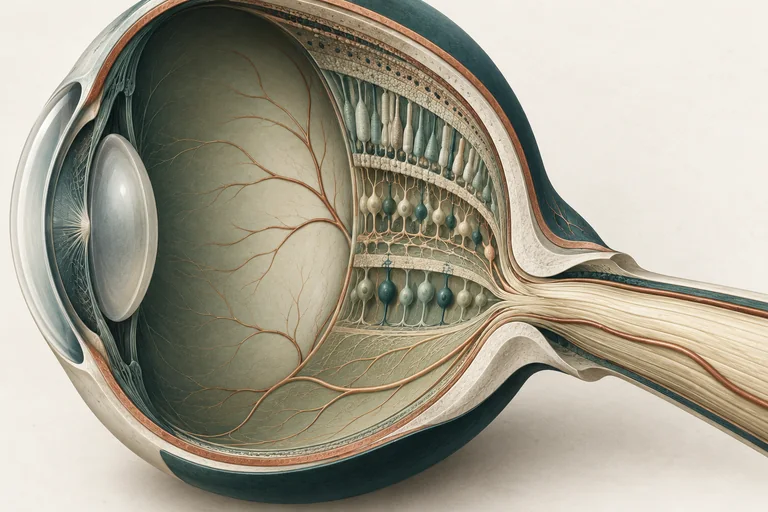
ER-100 brings controlled cellular reprogramming into a Phase 1 study of optic nerve disease. Life Biosciences has announced an interim presentation for 8 October 2026. As of 4 October, those findings have not been presented in the verified sources.

Cells · Animals · HumansRead dossier
ReprogrammingPreclinical research

NewLimit epigenetic reprogramming

NewLimit

NewLimit develops reprogramming payloads for liver, immune and vascular cells. The company reports animal work on its first liver candidate and plans human studies in 2027.

Cells · AnimalsRead dossier
ReprogrammingLaboratory research

Retro cellular reprogramming

Retro Biosciences

Retro's reprogramming portfolio includes stem-cell and tissue approaches. Its collaboration with OpenAI has reported engineered transcription factors that improve pluripotency-marker expression in human cells. That laboratory result does not establish a clinical reprogramming therapy or additional years of human life.

ReprogrammingPreclinical research

Shift cellular rejuvenation

Shift Bioscience

Shift searches for interventions that alter age-associated cell states. Its public portfolio separates the single-factor SB000 laboratory work from an SB101 antifibrotic siRNA programme with company-reported mouse evidence. Neither was verified as a human clinical rejuvenation study.

Cells · AnimalsRead dossier
ReprogrammingLaboratory research

Altos cellular rejuvenation

Altos Labs

Altos studies how cells regain health and resilience, combining experimental biology with computational modelling. This is an organisation-level research programme. Foundational cell and animal studies support its approach; no named clinical rejuvenation candidate or human outcome was verified in this dossier.

Cells · AnimalsRead dossier

Research and explanations

Search the publication

Search programme histories and research articles.