Explainer4 min read
AI can help researchers choose a target, search chemical space and design molecules. Those are different tasks, with different tests of success.
Read article ↗Explainer4 min read
AI can search for molecules quickly. Clinical studies still need time to measure exposure, effects and harms. Time saved in discovery is only part of a development programme.
Read article ↗Investigation6 min read
Rentosertib is being tested for idiopathic pulmonary fibrosis after AI-assisted drug discovery. An exploratory ageing-clock analysis examines changes in participants’ blood proteins.
Read article ↗Explainer5 min read
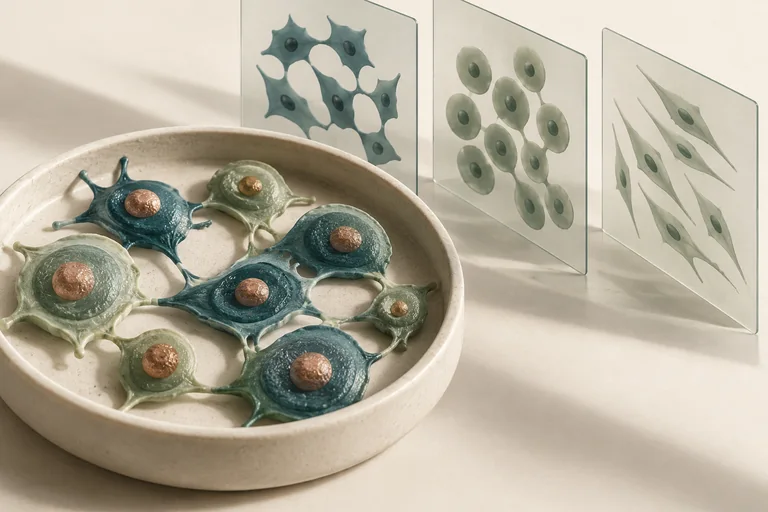
A virtual-cell model predicts a measurement after researchers change a cell. Its usefulness depends on which experiment it can predict, which examples it has already seen and whether the prediction survives a new biological context.
Read article ↗Investigation5 min read
A 2025 benchmark found that tested deep-learning models failed to beat simple predictions. An October 2026 study shows that scoring choices can conceal useful performance. Their comparison turns on the task, the controls and what a metric rewards.
Read article ↗Explainer5 min read
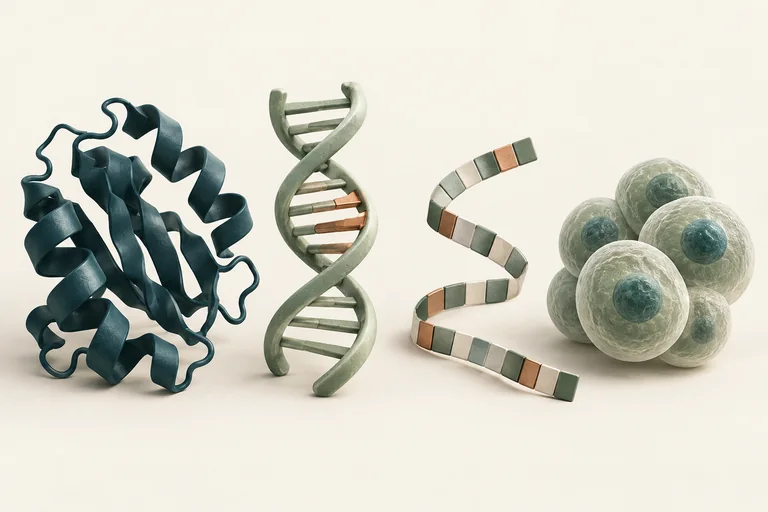
AlphaFold predicts molecular structures, AlphaGenome predicts regulatory measurements from DNA, Evo 2 models genomic sequences and State predicts cellular responses. Each needs a different experimental test.
Read article ↗Investigation5 min read
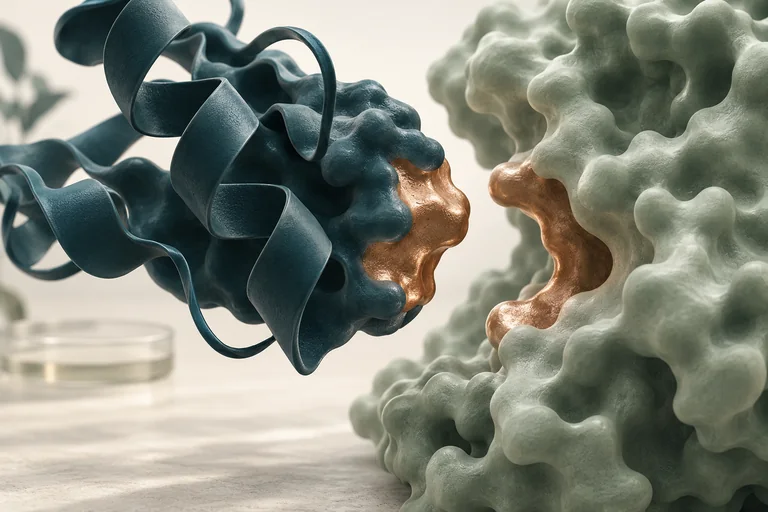
BindCraft and RFdiffusion3 have produced proteins that pass physical tests. Interpreting each result requires the number tested, the assay and the biological task. Binding, catalysis and targeted delivery require different evidence.
Read article ↗Investigation5 min read
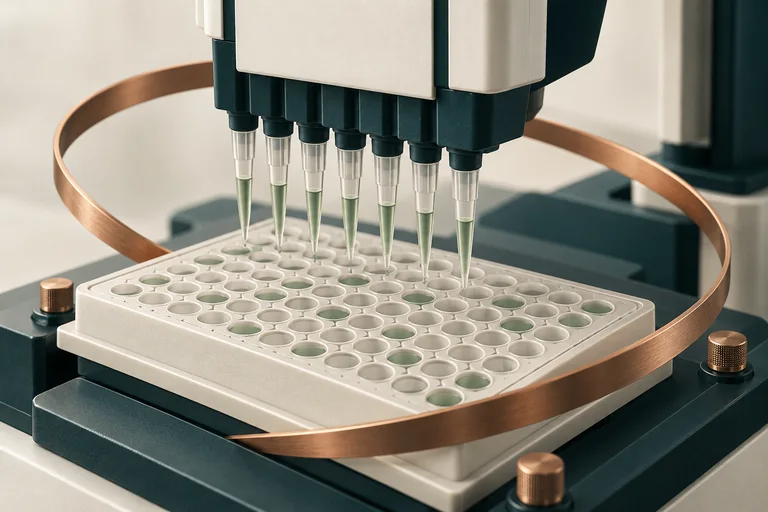
An automated laboratory becomes a learning system when measured results determine the next experiments. Cell-free protein synthesis and enzyme engineering show what these systems have achieved, how people contributed and which comparisons remain missing.
Read article ↗